meta pixel

core archive template

Improving Your ETO Workflow

Without an ERP designed for ETO, there will always be bottlenecks between engineering and procurement. Dynamic BOMs are necessary to improve efficiency.

Key Takeaways

  • ETO manufacturers struggle without manufacturing ERP software. Challenges include change orders, accurate estimates, part tracking, and production planning.
  • Custom Machine Builders thrive when their ETO workflow is dynamic. Using an ERP that integrates with CAD improves efficiency throughout your organization, especially in engineering and procurement.
  • More than just BOM software, an ERP designed for OEMs will capture change order info. Sales will have access to essential estimating details. Additionally, full project visibility makes it easy to track changes to the BOM, ensuring information is shared across departments, including procurement, so they can get an early start on long-lead requirements.

Engineer To Order (ETO) manufacturers have the pressure of dealing with constant changes during a project.

It can be frustrating for an ETO company as they try to manage the bill of materials (BOM). Their customers don’t just make changes during the design phase, but all stages of a project. With the BOM in constant flux, procurement and engineering need to work closely together, especially when it comes to long-lead components. This synergy is necessary to improve your ETO workflow.

This isn’t the only challenge Engineer To Order companies face. We’ll explore a few of the top problems that are unique to ETO manufacturing.

ETO Workflow Challenges

Change Orders

As we mentioned, Custom Machine Builders face change orders on almost every project. That’s because the machine likely has never been built before and may never be built again. This means the customer must work closely with the engineering department during the design and build. Every change, however, can delay the completion of the project and increase its expense.

If an Integrator, Panel Shop, or OEM is working with static (traditional) BOMs, there’s usually a struggle between engineering not wanting to release the bill of materials, and procurement needing early access. Without the right manufacturing ERP software, these struggles compound.

Without an ERP designed for ETO, there will always be bottlenecks between engineering and procurement... at least, until, you improve your ETO workflow.

Sales

Without having previously made a similar project, it’s difficult to estimate the manpower and parts required to complete it. Additionally, even if there has been a similar machine built, Engineer To Order manufacturers struggle to collect accurate and complete data. This makes estimating and quoting projects difficult, often resulting in wrong information for the client.

Production Planning

At best, production planning is difficult for ETO companies. The numerous uncertainties faced are known for adding costs and time to most projects. Every new build comes with varying components, complexities, and customization.

Additionally, allocating resources, including materials and labor, is a struggle without a flexible ETO workflow. It’s easy for a Custom Machine Builder to over or under-estimate resources. Unfortunately, having too much and/or too little can both end up costing the company. Without a reliable system in place, you also face a greater risk of supply chain disruptions.

Manufacturing

Whether fabricated internally or externally, Custom Machine Builders have difficulty tracking parts. The process is tedious and error-prone. Furthermore, ensuring proper inspections and following up on quality issues is an overly complicated process, despite their importance.

Improving Your ETO Workflow

ETO manufacturers, including Integrators, Panel Shops, and OEMs, thrive when the engineering environment is dynamic (sometimes referred to as “concurrent engineering”). This is only achieved when they’ve integrated an ERP directly with CAD. By making the BOM dynamic, Custom Machine Builders can eliminate the struggles discussed here, as well as additional problems in accounting, engineering, and manufacturing.

Unfortunately, Engineer To Order manufacturers can’t settle for any ERP. They need a software solution that integrates with CAD and accounting while also providing complete project visibility. When investing in manufacturing ERP software, ETO organization should consider the following:

  1. Is the system “interfacing,” or is it “integrating” with the CAD package?
  2. Can the designer create a graphically presented structured BOM with unlimited levels?
  3. After the entire BOM is released to purchasing how does the system handle design changes?
  4. Does the system automatically present the net effect of item changes to purchasing (resolving quantity changes)?
  5. Can the designer quickly find and copy BOM assemblies from other projects?
  6. Does the system free the designer from any other work other than producing the structured BOM?

As you can see from this list of questions, many elements of an Engineer To Order business require an ERP designed to meet their ETO workflow. In fact, a dynamic interface between engineering and purchasing is key to speeding up the order-to-shipment cycle.

Why Total ETO; a Manufacturing ERP Software Solution

A comprehensive manufacturing ERP software is a necessity for your Engineer To Order company. The right system will help your organization scale; taking on more projects without needing more staff. Some favorite features among Custom Machine Builders include:

  • Capture change order information, including labor, material, and sales price changes, so they aren’t omitted or forgotten.
  • Provide sales essential estimating information to secure and quote future projects.
  • Track changes to the BOM at any stage of the project and ensure the information is shared across departments.
  • Release parts to procurement in stages, including initial long lead requirements.
  • Issue and revise RFQs and POs with just a few clicks.
  • Allow buyers to cost out the BOM before purchases are made.
  • Know where your parts are in their fabrication process at all times.
  • Record and follow up on quality issues on the shop floor, from engineering, or for purchased parts with embedded non-conformance reports.
  • Create simple views of WIP and use existing details for percentage complete revenue recognition.

The Total ETO Solutions page has a more thorough list of features that benefit your organization; from sales to engineering, procurement, accounting, and more. You may also find inspiration from these success stories with other Integrators, Panel Shops, and OEMs.  However, if you really want to see the kind of impact Total ETO will have on your organization, book a demo and experience it for yourself.  

Written by Taylor Dykstra

How to Increase Production Capacity

The most effective way to improve production capacity is to reduce clerical work in engineering so your designers have more time to design.

Key Takeaways

  • Thanks to frequent change orders, difficulty tracking parts, and no effective way to collect and learn from data, efficient manufacturing is difficult for Custom Machine Builders.
  • Adding new staff should be the last option to increase production capacity. New staff increase operating costs and require resources such as office space, equipment, training, etc. Instead, reduce repetitive data entry and redundant paperwork to free up your current staff’s time.
  • Using an ERP designed for ETO manufacturing can increase your production capacity by creating more efficient manufacturing processes and speeding up the order-to-ship timeline.

How to Increase Production Capacity

Success in our competitive market is forcing every manufacturer to make their business more responsive to client demands. The pressure is on for better, faster, and cheaper solutions.  Efficient manufacturing, however, is particularly difficult for Engineer To Order companies, for several reasons:

  • Customers frequently request changes to the order during or even after the design process. This can extend the length of a project and procurement efforts.
  • Sales representatives need to quote projects as quickly and accurately as possible. This is problematic though, without tracking past projects and estimates to completion.
  • To meet delivery deadlines, engineering needs to “pre-release” components to procurement. This, however, requires special effort to manage the bill of materials interaction with purchasing.
  • The team often identifies areas where the design requires changes. Engineers then need to modify drawings as well as the Bill of Materials (BOM). Procurement will then need to adjust material orders.
  • Accounting, engineering, and purchasing departments are often weighed down by unnecessary clerical work.

These are just a few of the quirks that make Custom Machine Builders so valuable but so busy. While it may seem impossible, you can improve the level of service to your customers while increasing your production capacity. Furthermore, you can do so without adding staff!

With the right ERP, Custom Machine Builders can improve production capacity without adding staff. Such an ERP will be your most valued manufacturing software.

More Efficient Manufacturing

By streamlining your business processes, you’ll free up critical staff from clerical tasks to focus on income-generating work. Inherently, Engineer To Order companies have talented staff, often creative and passionate. Unfortunately, as most managers know, their key staff are burdened with significant clerical responsibilities. It’s common for Custom Machine Builders to see the potential to expand their sales but not have the resources to do so.

We know from our own experience as machine builders and see confirmation from Automation.com that “Engineers are highly paid professionals who suffer when performing repetitive functions, such as back-and-forth massaging and frequent manual design adjustments. Only with a good marriage of engineering and sales automation can ETO (Engineer To Order) manufacturers provide rapid responses and compelling quotes to customers”.

Usually, creating more efficient processes in your manufacturing requires additional staff or workspace. However, you can make improvements without these resources.

Would Hiring Additional Staff Help an ETO Manufacturer Grow

Increasing capacity by adding new staff should be the last option for a manager. New staff will immediately increase operating costs through hiring expenses, fees, and salaries. Additional staff will also require resources such as office space, equipment, training, and supervision.

Moreover, employees that don’t stick around can be costly. Even a successful new employee, particularly in key technical departments such as engineering and manufacturing, still requires many months of experience before they can be 100% productive. That’s why it’s recommended you improve and maximize your current resources before adding to them.

How to Improve Production Capacity

Freeing up existing staff from clerical duties is the most profitable option. Consider your engineering department. Designers typically spend 50% of their time reissuing drawings and rewriting BOMs. They need to communicate with purchasing, process change orders, issue lists, and reports. Meeting with sales and manufacturing adds to their day as well. Finding a way to free up even 25% of their time has the effect of increasing your engineering capacity. Your four designers now have the capacity of five experienced designers.

The impact of freeing up design capacity has a multiplying effect on your manufacturing capacity. For example, for many Custom Machine Builders, their shop staff is four times the number of designers. Increased engineering capacity results in more shop hours sold. This chain reaction increases company profits with a minimal increase in fixed costs.

The most effective way to improve production capacity is to reduce clerical work in engineering, so your designers have more time to design.

How to Reduce Material Costs

Speeding up the design process helps reduce material costs. Engineer To Order (ETO) businesses usually define the materials required after they get the client’s order. Because this is a creative process… and changes from the client do occur, it is not unusual for engineering to need more time than what was scheduled. This means that procurement has less time to buy the materials to meet promised deliveries.

Time constraints reduce or eliminate the possibility of price shopping. The procurement department could save significant amounts of money if it had access to the BOM sooner (and had time to solicit competitive bids). In a $10 million / year sales firm, spending $4 million in materials, a 3% gain (with competitive bidding) alone represents $120,000 annually. Here, you can start to see how valuable enterprise resource planning software or manufacturing software can be for Custom Machine Builders. It connects engineering to purchasing and the shop floor.

As Nate Hinks, former Director of Sales at Farason said: “Total ETO has streamlined our purchasing process and saved us the cost of one full-time purchasing agent”. Learn more about the improvements Farason experienced when integrating Total ETO with SolidWorks.

Another major consideration in efficient manufacturing is using your history to reduce new engineering. Implementing a system that allows staff to reuse information from prior projects can not be over-emphasized. The ability to quote clients based on similar past projects not only improves the accuracy of estimates but also reduces the time spent quoting and qualifying clients.

Simply said, estimating is the act of determining how much time and money is needed to complete a project. Recognizing that estimating is ultimately an attempt to predict the future helps you see that the more info you have, the better. Like any projection, the accuracy of the estimate improves with the availability of more data.

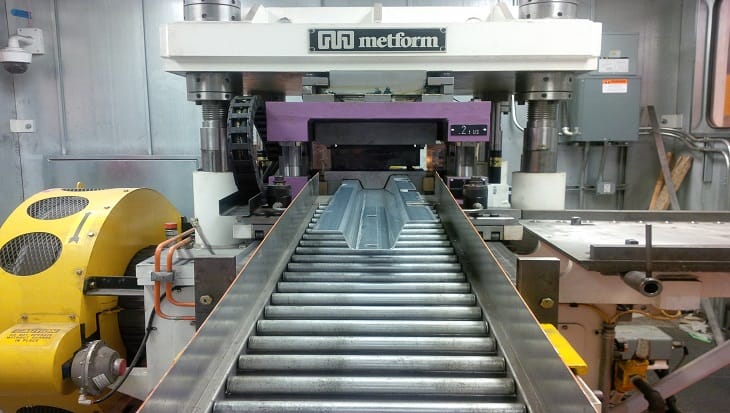
Metform are Engineer To Order and have benefitted from our ERP designed for Custom Machine Builders

Metform International has been providing roll-forming machines and coil-processing equipment for over 45 years. Purchasing & Logistics Manager Tom Hirschler started seeing the benefits of their sales team using an Engineer To Order ERP right away; “Total ETO has given us the tools to win bids successfully and become a worldwide competitor”. More details about the benefits Metform is still experiencing, including streamlined data and fast-tracked spare parts orders, are available in this success story.

A Bright Future for ETO Manufacturers

Many manufacturers are currently struggling and as we’ve learned, Custom Machine Builders are all too familiar with this battle. We can see though, that the right ERP (one that is designed for Custom Machine Builders) can be counted on to save time and money throughout an organization. The right ERP really can increase production capacity by creating more efficient processes in manufacturing. Additionally, this kind of manufacturing software can reduce the engineering work required and speed up the order-to-ship timeline.

Written by Taylor Dykstra

Building an ETO BOM

Due to its unique nature, an ETO bill of materials requires more documentation, customizations & adaptations than a standard BOM.

Key Takeaways

  • The first step to creating a BOM is a complete understanding of what the customer is looking for. In ETO manufacturing, customers are likely to make changes to the design and, therefore, the BOM, but paying close attention in the beginning can save changes in the end.
  • BOM creation in ETO manufacturing is more efficient when you have a good system in place for tracking parts. Don’t forget, though, your BOM should also include descriptions for each part.
  • BOM management is easier when working with Dynamic BOMs. They simplify the design, procurement, and manufacturing of each project and help ensure you’re able to ship on time and within budget.

A bill of materials (BOM) is to an engineer like a recipe is to a chef; it needs to be just right to create that perfect, unique final product.

Creating a BOM organizes the materials and subassemblies needed to manufacture a product. Thanks to details such as quantity, lead time, waste factors, etc, the BOM also improves project management.

The tasks involved are complex, and some best practices are necessary to ensure accuracy, efficiency, and a successful outcome. It’s also interesting to note that a bill of materials can vary greatly, from one organization to the next. In this article, we’ll explore creating and working with a BOM, particularly in the Engineer To Order sector.

Types of BOMs

Like most manufacturers, Custom Machine Builders face several types of BOMs, based on their function, structure, or configurability.

BOMs BY STRUCTURE

  • Single-level BOMs are a high-level view of the parts needed to assemble the project. Any subassemblies or blends are left out, as it’s just the finished components listed here. These BOMs are meant as a guide or where no additional processes are required downstream.
  • Multi-level BOMs are necessary for projects with multiple levels of assembly. In these BOMs, the first level is the parent item, with levels below, often known as “sub-assemblies” or “child-assemblies,” reserved for items that require additional work.

BOMs BY CONFIGURABILITY

  • A standard BOM is a fixed or static list; intended for use when the product being manufactured doesn’t change. There are no variations or options to customize. It is common for manufacturers to use such BOMs when their products don’t change.
  • A configurable or “matrix” BOM is typically used when there are modifications in a project. These variations may include a different size, color, or features. Most Engineer To Order manufacturers face changes like this regularly.

BOMs BY FUNCTION

  • Engineering (EBOMs) focus a lot on the product’s design requirements. Generated during the design process, they include a lot of detail. It’s a comprehensive list of assemblies and sub-assemblies which helps clarify the engineering/design team’s vision. For Custom Machine Builders, EBOMs can change a lot. ETO clients typically deal with a lot of change orders since they’re building original equipment. Working with an ERP that integrates directly with your CAD simplifies this process.
  • Manufacturing (MBOMs) focus more on specifying and supporting how a project will be built. Manufacturers assembling a project can find details on assemblies and components here. Some organizations also include the machinery needed throughout this process, including packaging requirements.

Why Engineer To Order BOMs are Different

ETO manufacturing is growing. Fast. The demand for customized products has never been higher. Concurrently, the need for better BOM management also continues to rise.

Several key aspects make ETO BOMs more unique and a little more difficult to work with.

  • Customization and Variability: When you make standard products, your BOMs are consistently standard. ETO projects require customization and adaptation. Not only are the BOMs different from one project to the next, but you’ll likely finish the project with a different BOM than you started with. This makes BOM management extremely difficult.
  • Engineering’s Involvement: Engineering is at the heart of ETO manufacturing. Their unique designs bring the client’s vision to life. Together, the client and the engineering department work with continuous back and forth, at every stage of the project. Without the right software or tools in place, this process takes a big toll on engineering.
  • Documentation and Traceability: When it comes to a standard BOM, documentation and traceability are pretty straightforward. ETO projects, however, require extensive documentation due to the rareness of each project. This is where BOM creation and BOM management can get tricky The Project Management Institute (PMI) has shown that more than 80% of ETO manufacturers struggle to maintain traceability in Engineer To Order projects.

Steps to Build and Manage an ETO BOM

Many organizations think the first step in creating an ETO BOM is the part name and number. That’s jumping the gun a little bit, though. The best first step to creating a BOM is a complete understanding of what the customer is looking for.

Product Understanding

Proper communication with your customers about their needs is an essential first step. According to McKinsey, when a product strategy fails, 70% of the time is due to not understanding the customers’ needs. Paying close attention to the entire customer journey makes it much more likely that your customer will return.

In Engineer To Order manufacturing, the customer is likely to change the design, even after releasing the BOM. These last-minute changes can cost time and money. The engineering team can minimize them, however, if they have a clear understanding of the desired outcome.

Plan a System for Part Numbers

Better BOM management means a TOTALLY better system to track parts. To improve identification, tracking, and even communication with your vendors, you need a part number. Giving a unique identifier to each component in the BOM is important. There are 2 approaches to numbering your parts.

  • A BASIC SEQUENTIAL SYSTEM: This approach works best for smaller projects. Some manufacturers unintentionally overcomplicate it, though, with too many digits. Think about all your different screws in the project being numbered like this – “000285”, “000286”… etc. If using a sequential system, shorten them by eliminating the zero’s at the front. This is not only more efficient, it also reduces the likelihood of errors.
  • AN INTELLIGENT SYSTEM: For larger assemblies, it helps teams to use letters representing the component. With this system, those same screws, for example, would label them as “SCRW285”.

Whatever system you choose, remember that the best bill of materials also includes descriptions for each part. This makes it much easier for humans to scan and helps distinguish between similar components.

Enter Data Early and Plan for Changes

Ideally, teams prefer to fully construct and approve a BOM at the beginning of a project. Engineering would be able to release it to procurement, who can order parts that all arrive on time, allowing manufacturing to assemble the project, in plenty of time to test and ship. That’s a big ask for any manufacturer, but especially difficult for ETO organizations.  

For Custom Machine Builders, clients typically request multiple design changes, even after releasing the bill of materials. These changes could include anything from drawing revisions to different or additional parts. By having standard procedures for change management, your team can keep a project on track.

Integrators, Panel Shops, and OEMs easily manage these changes in an ERP/MRP system designed for ETO manufacturing. The software should integrate smoothly with your computer-aided design (CAD) system. Doing so allows your team to track changes to the BOM, in real-time.

Material Specifications and Substitutes

You need detailed documentation for every component, including material specifications, dimensions, and other relevant information. While this is the best way to ensure consistency and quality, you’ll want a backup plan, too. It’s wise to account for potential alternates for as many items as possible. Being able to adapt quickly to shortages and supply chain disruptions can make or break a project.

Additionally, when considering the components required for each project, it’s recommended you consider their lead times too.  This is where working with a Dynamic BOM really comes in handy. They allow you the flexibility to release parts to procurement in stages. It saves each project time and money.

Test, Validate, and Assemble

Before signing off on the BOM, you may want to test and validate your design/BOM with a prototype. This is a good opportunity to ensure all the parts fit together and work as planned. This step can help ensure the manufacturing process will be executed without issues.

There are also times when detailed assembly instructions may be necessary. Those include instructions on the assembly prints that will help guide the manufacturing team through the build.

BOM Management

BOM creation, whether it’s an engineering BOM or a manufacturing BOM, a single-level or multi-level BOM; requires dedication and attention to detail. Thought and time are always needed to improve BOM management. It’s true, that working with Dynamic BOMs can simplify the design and manufacturing of custom machines. Dedicated BOM management is still necessary, though.

An ERP built for ETO companies will help many departments in your organization. Those working directly with the BOM, including engineering and procurement, see the most improvement.  To learn more, or to see Dynamic BOMs in action, book a demo. You’ll be glad you did.

Written by Stan McLean

Manufacturers are Increasing Profits by Reducing Waste

Key Takeaways

  • Production planning for ETO manufacturers is difficult because the design and BOM are in constant flux. That means engineering and procurement must deal with change orders at any stage of production.
  • Manufacturing waste typically comes from defects and rework, from a product not meeting quality standards. Unnecessary transportation also creates waste, including fuel consumption, labor, and more.
  • The best ways to reduce waste in ETO manufacturing include decreasing manufacturing downtime, making use of leftover parts, and adopting Lean Manufacturing principles.


Improving Manufacturing Downtime and Other Challenges with an ERP Business System

Manufacturers, particularly Engineer To Order (ETO) organizations, must constantly look for ways to reduce waste and increase productivity. It can be time-consuming, but when done properly, such changes mean increased customer satisfaction as well as increased profits.


Custom Machine Builders face some of the same challenges as repetitive manufacturers, including manufacturing downtime. However, they also have unique challenges, such as needing to release the BOM in stages. That’s why they need to consider an ERP business system to help. This article will explore ways for an ETO manufacturer to reduce waste and, therefore, boost profits.


What is Engineer To Order and Why is Production Planning More Complicated

Custom Machine Builders who typically manufacture new designs fall under the Engineer To Order title. These often include Integrators, Panel Shops, and OEMs. Many ETO organizations would like to have materials ready when manufacturing needs them. Unfortunately, production planning in ETO is not as easy as make to order (MTO) manufacturing.


In MTO, the manufacturer knows what they’re building in advance. Production planning and procurement are simple because the design and BOM are set. For Custom Machine Builders, though, the client comes to them with an idea and works closely with engineering to design a solution. Throughout this process, it’s common to spot areas where the design needs to be changed. It can, of course, be frustrating for engineering to modify the drawings and the BOM. It also means that procurement is tasked with canceling, changing, or creating new purchase orders.


It’s fair to say that Engineer To Order facilities have an erratic workflow. The team usually needs to source additional materials at any stage of a project. This typically causes bottlenecks, especially if you don’t have a proper ETO enterprise resource planning (ERP) system. Downtime in manufacturing is wasteful for both standard and Custom Machine Builders. Whether it’s due to maintenance or waiting for parts to arrive, the most evident consequence of manufacturing downtime is the decrease in production output. The Aberdeen Group released a report that shows standard manufacturers lose an average of $260,000 / per hour when they fall behind.


ETO manufacturers face a lot of change requests; one of the reasons production planning is more complicated for them. It's important to reduce manufacturing downtime.


ETO Challenges Need an ETO Solution

Many engineers, designers, machinists, and purchasers don’t realize that an ERP business system designed for ETO prevents most bottlenecks. There are hundreds of ERPs on the market, but unfortunately, most of them can’t help because they aren’t designed for custom manufacturing. An ETO solution, however, integrates with CAD, eliminating all double entry and redundant paperwork. Plus, when your team starts working with Dynamic BOMs, the bottlenecks that inevitably appear between engineering and procurement are prevented, saving both departments time and money.


Engineer To Order is also a relatively new production process. There are hundreds of manufacturers who don’t know yet that ETO exists. If you’re not sure whether you qualify or not, this free online quiz can help you determine if you are Engineer To Order.


How is Manufacturing Waste Created

There are a variety of processes and practices within a factory that lead to waste. Many are common among MTO manufacturers, such as overproduction. Producing more goods than needed, or earlier than needed, leads to excess inventory, which affects storage space and capital. Engineer To Order organizations don’t struggle with this, as they typically don’t build the same machine twice. ETO, however, does have other areas in its processes that can be wasteful.

  • Defects and Rework: When a product doesn’t meet quality standards, material and labor are wasted.
  • Transportation: Excessive movement of materials between production stages or warehouses comes with a risk of damage, fuel consumption, emissions, labor, and other logistics costs.


Waste Reduction for ETO Manufacturers

Recycling is awesome, but there’s a lot more to reducing manufacturing waste than the three R’s. The creativity and flexibility that ETO manufacturers offer make them unique and in demand. To thrive in such an environment, many Custom Machine Builders are learning they need to reduce waste. The following are a few good ways to get started.

1. Decrease ETO Manufacturing Downtime

When a plant stops wasting time, it significantly increases throughput and profitability. You likely already have an idea of how costly downtime is in your current manufacturing processes. A key factor in reducing downtime is ensuring materials are available when manufacturing needs them. However, ETO organizations face two obstacles here.


–        Long Lead Items: The earlier procurement can order materials, the better. An important factor in reducing downtime is ensuring purchasers can begin acquiring supplies and raw materials as early as possible. Engineers understandably want to wait until the entire design is finished before releasing the BOM. Ordering long-lead items early, however, is crucial to preventing delays in shipment.


–        Vendor and Supply Chain Disruptions: The supply chain has always been somewhat unreliable, but these days, “volatile” is putting it nicely. There are ways to help reduce the impact of the supply chain on your business, but without the help of a reliable business system to keep track of and manage priorities, it’s easy to fall behind. It’s also important to track your history with vendors. Knowing who you can count on or where to turn when you need a part expedited, could help prevent downtime in the first place.


A strong but time-intensive solution to the problem is shopping around. Long-lead items aren’t the only rationale for getting items through procurement quickly. The more time your purchasing department has, the more savings you can find by shopping around. You’ll also avoid rush delivery fees and scrambling to meet a deadline.


These bottlenecks between engineering and procurement are common for Integrators, Panel Shops, and OEMs. In fact, Total ETO built the original Engineer To Order ERP because of this specific struggle. We know exactly how frustrating it can be.


For custom manufacturers, bottlenecks between engineering and procurement can be their biggest struggle.


2. Make Use of Leftover Parts

Production planning and inventory management are complex in the ETO.. Engineer To Order manufacturers tend not to stock inventory, however, there always seems to be a collection of leftover parts from past jobs. Many organizations can see the value in tracking spare parts but aren’t sure how to do so efficiently. Without taking such steps to improve production, though, a manufacturer can end up with diminishing profits. With the amount of competition growing in our industry, Engineer To Order manufacturers need to do everything they can to trim waste, stimulate growth, and boost profits.


Additionally, it’s worth considering how much annual revenue your organization could realize by selling leftover parts to clients. That’s what Brenden Fritz, President of Automated Drive Systems discovered while implementing Total ETO. Learn how they reduced waste and increased profits in this case study.


3. Modular and Standardized Components

The terms “standard” and “Engineer To Order” are rarely used in the same sentence. However, there is potential to standardize components. By using standardized parts or subassemblies, ETO manufacturers can decrease lead times and inventory complexity. Research from the Massachusetts Institute of Technology (MIT) demonstrates the benefits of modular product architectures in reducing waste in ETO manufacturing.


4. Lean Manufacturing Principals

A valuable and proven method of reducing the amount of waste in manufacturing is Lean Manufacturing. A popular practice since the 1980’s, the principles of Lean Manufacturing transfer to ETO manufacturing as well. There are five principles including value, value streams, flow, pull, and perfection. Applying Lean concepts puts an ETO organization is a position to continually improve. Every project leads to greater efficiency, waste reduction, and increased profits.


One Simple Solution

Engineering and purchasing departments can see great results from an MRP or ERP business system that streamlines their processes. Total ETO is known for providing Totally Better efficiency, accuracy, and profitability to Custom Machine Builders.


Engineers prefer Total ETO because it seamlessly brings design work into a project. The software can integrate with popular CAD systems such as SOLIDWORKS and Autodesk Inventor. It can also bring the BOM in without leaving CAD and with no double entry. Other characteristics appreciated by many ETO engineering departments include:

  • Copying parts from a past project’s BOM to a new BOM.
  • Providing designers with the ability to calculate the BOM before making purchases.
  •  Eliminating bottlenecks by releasing parts to procurement in stages, including initial long lead requirements.


Total ETO also helps the purchasing department run more efficiently by making procurement simple through interconnected information with engineering, receiving, and the shop floor. Purchasing will also enjoy:

  • Saving time by grouping common parts or suppliers across multiple projects.
  • Adding POs and making revisions as changes occur, including revised delivery dates.
  • Reserving inventory by project and seeing remaining availabilities


It’s easy to see now why Custom Machine Builders have started reducing waste and saving money with Total ETO. The software is easy to implement and use, affordable, and backed by a team of industry experts with a passion for the success of every client. Learn more about the Total ETO solution here.


Written by Taylor Dykstra

Can Small Manufacturers Benefit From an ERP for ETO

Key Takeaways

  • Small manufacturers have difficulty justifying the purchase of an ERP/MRP. However, after learning the ROI of an ERP is $7.23 for every dollar invested, they speed up efforts to find the right system that complements and improves their processes.
  • An ERP designed for ETO is the most profitable option for small Custom Machine Builders. It will reduce expenses, improve communication, and give full project visibility. It also improves the implementation process because it’s designed to match your unique ETO workflow.
  • Sales, engineering, procurement, manufacturing, and accounting see the most improvements leading to your entire organization increasing efficiency, accuracy, and profitability.


Can Small Manufacturers Benefit from an ERP

How often have you sat in front of your computer, wondering and searching for ways to make your team more efficient? To increase production capacity, track your parts, or reduce waste? When you Google “Excel templates for manufacturing” are you disappointed by the results?


The manufacturing sector has grown quite a bit in the last decade, making it increasingly difficult to remain competitive. Yet, manufacturing software for small businesses is still hard to find. Reducing expenses, improving communication, and real-time data management, all while delivering more projects in less time, are necessary to scale… but how?  Enter ERP systems.


On average, enterprise resource planning software:

– increases on-time deliveries by 24%.

– decreases operational expenses by 25%

– improves decision-making accuracy by 21%.

Statistics like this can’t be ignored, especially while growing a business.


To date, defense and aerospace have the highest adoption rate of ERPs. While it’s true that many large manufacturing teams, especially those who build standard products have implemented an ERP, we can see that small manufacturers benefit substantially from a similar system. The caveat, however, is that these manufacturers build the same item(s) over and over. For Custom Machine Builders who rarely make the same thing twice, finding and implementing a system is more difficult.


So, it’s understandable that small Custom Machine Builders would hesitate and wonder if an ERP can help them in the same way… Yes, it can! Perhaps even more so.


Let’s take a quick look at some of the areas within your organization that will improve after implementing an ERP (the best manufacturing software for small businesses).


Small Manufacturers See Big Changes in Sales

Without accurate data, it’s difficult to properly estimate and quote a project. Real-time insights are a primary benefit of an enterprise resource planning solution. Panorama Consulting Solutions revealed that 87% of teams using ERPs in manufacturing reported improved access to critical information.


With the right ERP designed for ETO manufacturing, an Integrator, Panel Shop, or OEM can easily capture change order information. They can also record and track estimates to completion for accurate percentage complete revenue recognition.


Engineering is Improved With an ERP Designed for ETO

By integrating your ERP and CAD, it’s easy to bring your BOM in, without leaving CAD and with no double entry. This is one of many ways engineering departments become more efficient with an enterprise resource planning system.


For Engineer To Order manufacturers, the right ERP will also:

  • let teams copy parts from a past project’s BOM to a new BOM.
  • allow designers to cost out the BOM before purchases are made.
  • search the system for previously used parts and their complete history.
  • track changes to the BOM at any stage of the project and ensure the information is shared across departments.

Total ETO is a great choice for small, custom manufacturers because it integrates with CAD.


Time and Money Saved in Procurement

The purchasing department is one of the top departments where manufacturers see improvements.  In fact, the return on investment for an ERP averages 220% in procurement. Success here is partially due to improved efficiency. With an ERP designed for Engineer To Order manufacturers, procurement can issue and revise RFQs and POs with just a few clicks. They can also save time by grouping common parts or suppliers across multiple projects.


Improvements in procurement can also be attributed to reducing lead times. When engineering can release the BOM in stages, purchasers get a head start on long-lead components. Timely and dependable procurement helps ensure a reliable flow of materials when needed. This prevents production disruptions. In fact, 72% of manufacturers report supply chain improvements after their ERP implementation.


Additionally, Statista research shows us that manufacturing software for small businesses, such as an ERP/MRP, leads to a 23% reduction in excess inventory. Engineer To Order manufacturers are used to dealing with a lot of design changes, even after they’ve started to build.  That means a surplus of parts is common for Custom Machine Builders, but as we’ve seen, it doesn’t have to be.


An ETO ERP Simplifies Manufacturing

While on the subject of parts and materials, it’s important to note the improvements manufacturers see in the quality of parts. With an ERP, Integrators, Panel Shops, and OEMs can route parts between tasks, tracking both internal and external processes. Teams will know where their parts are in the fabrication process at all times. They can ensure parts are inspected, knowing who completed the inspection. It’s also easy to record and follow up on quality issues on the shop floor, from engineering, or for purchased parts with embedded non-conformance reports.


Small Custom Machine Builders can Integrate Their Accounting

Finding an ERP system that can be integrated, seamlessly with your current accounting software is a relief. By keeping your existing accounting system, such as QuickBooks or Sage, the learning curve is significantly improved. Efficiency and reliability also increase:

  • Accounting departments can match AP invoices against received goods by supplier or PO.
  • Payment milestones can be set up in your sales orders, automatically triggering AR for invoicing.
  • Have customized workflows created to streamline T&M invoicing.
  • Report on percentage complete numbers for revenue recognition. By using internal change orders to track material and labor budget changes, your team is able to make more informed decisions.

Small Custom Machine Builders love that Total ETO integrates with all popular accounting systems including Quickbooks, Sage, and Xero


What is the ROI for an ERP

The return on investment for ERP software can be impressive. A study by Nucleus Research found that for every dollar invested in an ERP solution, manufacturers received an average of $7.23 in return. It’s also easy to see why the ROI can increase as a business relies on it more and more. As a small custom manufacturing business transforms into a larger organization, the benefits scale with them.


Statistics like this are a testament to the transformative power of an ETO ERP used in manufacturing. It should be noted, however, Custom Machine Builders benefit the most when using an ERP for ETO. Integrators, Panel Shops, and OEMs are part of the Engineered To Order (ETO) marketplace. If using an ERP designed for standard equipment builders, they cannot integrate with CAD or collect the accurate data needed to succeed. Implementation is much more likely to fail. Or, if they are able to rely heavily on customizations and complete implementation, their ROI is drastically reduced.


The Best Option for ETO Manufacturing

The Engineer To Order sector has been growing in recent years. Since Total ETOs inception over 20 years ago, it remains the only ERP, truly designed for ETO, by ETO. Our enterprise resource planning system integrates with all major CAD and accounting platforms. This makes all of the improvements discussed in this article, including those in sales, engineering, procurement, manufacturing, and accounting possible.


An ERP for ETO manufacturing is more than just manufacturing software for small businesses though. It goes beyond inventory management and part tracking.  Provides more features than warehouse management systems and a lot more functionality than accounting systems.


So, can small manufacturers benefit from an ERP?

Yes!

See the incredible improvements for yourself, book a demo today.


Written by Stan McLean

Evaluating ERP Features for ETO Manufacturing

Key Takeaways

  • ETO manufacturers are vastly different from those who build the same product(s) repeatedly, so they need several additional/different ERP features. This includes Dynamic BOMs, real-time job costing, and part tracking.
  • ERP software with features that provide insightful and valuable information, including historical data, full project visibility, and sales estimating info are necessary for growth.
  • Be sure you discuss maintenance and service for your ETO ERP. Ask the ERP team about customizations they’ve made for other Custom Machine Builders. This can give you an idea of the problem-solving skills you’ll be working with. It could also spark an idea that will benefit your facility, too.


The Best ERP Software Comes With The Best Features For Your Team!

Custom Machine Builders operate in a dynamic and complex environment. Precision, efficiency, and adaptability are paramount here. The Engineer To Order (ETO) space is growing along with the demand for more customized solutions. This boom in business is inspiring Integrators, Panel Shops, and OEMs to streamline their processes. Becoming more efficient is the best way to complete more projects in less time, without sacrificing quality.


To meet the challenges that ETO manufacturers face, Custom Machine Builders need ERP software designed for their unique workflow. Enterprise resource planning solutions are used in many industries, including manufacturing. When it comes to custom manufacturing though, most ERPs aren’t a fit. That’s why it’s important to investigate ERP features and prioritize them with your team.


In this article, we’ll explore the ERP features that Integrators, Panel Shops, and OEMs need. These tips will help you as you explore your software options and ultimately simplify implementation and use.


Integrators, Panel Shops, and OEMs need an ERP designed for ETO manufacturing


1. ETO ERP Software with Dynamic and Nested BOMs

Engineering is the heart of ETO manufacturing. Yet, engineering for Custom Machine Builders is vastly different than any other type of organization, including the make to order (MTO) industry. Research from Purdue University shows the characteristics that make ETO a unique niche include a very distinct business process, low production volume with high levels of customization, and many change requests throughout the design and build phase..


First and foremost, an ETO ERP must support a nested and dynamic bill of materials (BOM). This cannot be understated. The dynamically changing nature of custom design manufacturing makes this requirement compulsory. Without this functionality, finding parts and all their instances for assisting in the build remains tedious and manual.


2. ETO Manufacturers Need CAD Integration

Where would your BOM be without CAD integrations? Most of your BOM is designed by your engineers in various 3D and electrical CAD systems, such as SolidWorksCatiaCreoInventorAutoCAD ElectricalEPlan and SolidEdge. Integration with CAD is key to picking the best ERP/MRP system. Doing so streamlines processes throughout your organization, particularly in engineering and procurement.


3. Procurement\Purchasing link from Engineering

Project designs at ETO organizations change… a lot. Challenges in manufacturing and material sourcing, as well as customers’ needs, are major reasons for design changes. Bringing novel concepts to life also has engineering challenges. Without a system designed to manage this, procurement becomes incredibly time-consuming and error-prone.


Additionally, long lead items must be communicated to procurement early on.  ERP software that allows partial releases of your BOM to purchasing saves your organization from downtime. It also allows procurement time to find materials at the lowest price. This is the best way to ensure that custom design manufacturers don’t end up with an avalanche of parts to buy all at once.  Time is a buyer’s best friend.


4. Real-Time Job Costing

Custom Machine Builders need to know as soon as possible what they can expect for material costs. This is more than just “actual costing”. ETO manufacturers need to consider preliminary costing”, as the designs are being completed. It also needs to include “committed costing”, which happens as your materials are ordered and labor is incurred.


Most systems are good at actual costing, but very few can provide committed costing and even fewer can provide preliminary costing. Yet, it’s crucial to know in the design stage and before the build phase begins, how your materials and labor are adding up. During this time, it’s still possible to redesign and even renegotiate with your customers. Not realizing the full costs involved until the end of the project is too late.


5. Supply Chain Management Through Your ERP Software

A report by Deloitte shows 79% of organizations with high-performing supply chains achieve revenue growth significantly above the industry average. Integrating supply chain management with your ERP enables real-time visibility into the availability of components and other raw materials. Such insight means a Custom Machine Builder can reduce downtime and mitigate the impact of supply chain disruptions.


If your materials arrive late, your project will ship late. If your materials don’t arrive at all, you can’t ship at all. It’s imperative to keep on top of open orders, ensuring vendors are committed to delivering the materials you need when you need them.


There is a direct relationship between your supply chain and the profitability of your organization.


6. Quality Control and Compliance

For Integrators, Panel Shops, and OEMs, adherence to quality standards is non-negotiable. An ERP system with quality control features built-in ensures you’re meeting industry standards. Defects are avoided and custom satisfaction is improved; it’s a win-win.


7. Project Management and Visibility

 A study by Gartner shows that effective project management can improve delivery times by 25%. Such a boost is great for customer and employee satisfaction. Complete project visibility allows you to track your project workflow, empowering management with real-time information. This data should be available to your team at any stage of the build and in predesigned or customized reports. It’s also beneficial if you can export this valuable information in your preferred format, such as Excel or PDF.


8. Historical Data for Growing ETO Manufacturers

Custom Machine Builders need to have historical data available, whenever needed. This saves time and costs by allowing estimators to reuse parts of previous designs or even entire projects. This will prevent previous mistakes in the event of similar future jobs using the final corrected BOM from those older projects. Managers should be able to pull data for forecasting upcoming material costs, examine, and produce reports that help evaluate all the key aspects of the business.


9. Service and Maintenance

After-sales service is a crucial but overlooked or forgotten benefit of an ERP designed for ETO manufacturers. With the right ERP, your business will grow. So, make sure it grows with you! This isn’t just a benefit from the software, but rather the company behind the software. It’s a good idea to ask the ERP team about customizations they’ve made for other Custom Machine Builders. Not only will it give you an idea of the problem-solving powers you’re working with, but it could spark an idea that will benefit your facility, too.


Ask your vendor about customizations they've made for other Custom Machine Builders


Conclusion

The above tips are the most significant ETO ERP features for Engineer To Order manufacturers to consider when comparing systems. However, it is far from a complete list. Remember, the best ERP software comes with the best features for its team. We recommend you also consider functions like: sales and prospecting, part purchasing and sales, change orders, shipment and packing slip tracking, fabrications/work order tracking, accounts payable, accounts receivable, time tracking, receiving… the list goes on.


Your ERP software should fit your business needs today, and going forward as you scale. The system should also flow with your business, and not make you adapt to fit the software. Highly specialized systems do just that, and in turn, they reduce implementation and training costs because they are intuitive to your business and easy to work with.


Written by Jay Boychuk

What Is Engineer To Order

Key Takeaways

  • Engineer To Order (ETO) is a design and build process that was shaped to fill a void created by mass production. An ETO workflow allows a manufacturer more flexibility and customization.
  • The ETO design process is collaborative with the client and design/engineering team working together on the solution. Also known as “iterative design”, this process makes it difficult to manage the bill of materials (BOM).
  • ETO manufacturing software, such as an ERP designed for Custom Machine Builders eliminates their struggles, including the engineering/procurement bottleneck, no data for estimates, part tracking, and project visibility.


What ETO Is and Isn’t

Since the Industrial Revolution, manufacturing has been a dominating industry, growing and evolving to make more products in less time. Standardization was a key factor. The ability to mass-produce products made them more affordable, creating more demand. There are several downsides to mass production, though, which more and more businesses are experiencing. At the top of the list is a lack of flexibility and customization, which meant many customers weren’t getting exactly what they wanted. This gap in customer satisfaction made way for a new type of manufacturing, known as “Engineer To Order”.


To help define Engineer To Order, it can be helpful to start with what ETO is NOT. Many manufacturers fall into the “Make to Order” (MTO) industry, sometimes also known as “Build to Order”. In this production method, we build goods only after receiving a confirmed purchase order. This means the manufacturer already knows the parts and labor requirements for each build.


Engineered To Order environments don’t have the same luxuries that come with repeatedly making the same product(s). Instead, their processes are a little more complicated and require an innovative and experienced team.


Engineer To Order is About Collaboration

When designing a one-of-a-kind solution for a manufacturer, engineers in an ETO shop work alongside the client. With a shared goal of building a product that satisfies all their requirements, collaboration is necessary.


Collaboration is what leads to the innovation and utility of the end product. Unfortunately, these customized solutions also make Engineer To Order the most costly production process. Meeting the unique needs of a customer is also time-consuming for both the customer and the original equipment manufacturer (OEM). However, it’s this hard work through collaboration that has solved many problems and inspired plenty of leading-edge technologies.


The ETO Design Process

Engineer To Order manufacturers adopt a process of gradually creating and improving a design. Each change is in response to assessments with the client and their needs. This is known as iterative design. Without knowing the final specifications, or materials required, engineers in an ETO environment often work very closely with their customers. This creative process can be exciting and lead to stronger client relationships.


However, an erratic workflow like this is often inefficient. It can be frustrating for all Custom Machine Builders, including Integrators, Panel Shops, and OEMs. If you’re Engineer To Order, then the workflow below is probably very relatable.


The ETO Manufacturing Process

Engineer To Order processes are more complex than what typical manufacturers of standardized products face. A successful project requires complete visibility. Otherwise, it’s easy for mistakes to compound; leading to lost profits, wasted time, and irritated staff. Since every ETO project is unique, the workflow for every project is unique. The following, however, can give you a more detailed idea of how Engineer To Order machine builders proceed with a project.


1.   A request for quote (RFQ) or request for proposal (RFP) is often the first step. The customer provides as much info as they can to ensure their goals are met.


2.   When the ETO firm has a good understanding of its customer’s needs, the official partnership begins with a purchase order from the client.


3.   Design work follows, which requires working closely with their client as design plans can change often.


4.   Engineering starts to build a BOM, this is one of the pain points where ETO manufacturers suffer. A bill of materials can be hundreds of items long, with some parts taking months to order. Many engineers find themselves manually entering each part number which is time-consuming and typically leads to multiple errors. Additionally, since the supply chain isn’t as reliable as it used to be, procurement always wants the BOM as early as possible.


5.   As the OEM finalizes the design work, manufacturing may already be starting to build part of the project. During this time, it’s common for the customer to reach out with more changes and additional requests. Working with Dynamic BOMs, like those created in Total ETO, helps ensure each change is captured correctly.


6.   In an Engineer To Order project workflow, it might be necessary to source additional materials, at any stage. This can lead to serious bottlenecks without the right ERP.


7.   After the machine is assembled, electrical work, including controls and programming, is done. This also includes debugging and final tweaks before the machine is accepted and shipped to the customer.


As you can see, the workflow faced by most Custom Machine Builders is constantly changing. The right ERP software can mitigate these challenges though. When procurement and engineering can work with Dynamic BOMs it saves both departments time and money. Total ETO makes Dynamic BOMs possible by integrating with popular CAD systems including SolidWorks, Autodesk, and Onshape. Curious? We’d love to show you firsthand how Dynamic BOMs will improve your processes… click here to request a demo.


Engineer To Order Manufacturing Complications

The talent and skill needed to make custom products aren’t just needed during the design phase. Skilled workers are needed throughout the organization since the complications of working in an ETO environment are felt throughout the organization:


SALES: Estimating and quoting projects accurately is difficult without knowing the parts or man hours that will be required. It’s quite common in ETO shops to have no original design to help estimate costs.


PROCUREMENT: Buyers need access to the bill of materials as early as possible, to prevent downtime from waiting for parts.


ENGINEERING: The client often requests multiple changes to the design, so engineers need to hang on to the BOM as long as possible.


MANUFACTURING: Tracking parts as they flow through both internal and external processes is tedious and error-prone. Ensuring proper inspections and following up on quality issues becomes overly complicated, despite their importance.


ACCOUNTING: POC revenue recognition is arduous, as is tracking work-in-progress.


MANAGEMENT: Without complete project visibility, it can be difficult to track a project and ensure it’s on time and budget.


Engineer To Order Benefits

Custom manufacturing is growing around the world. Demand keeps multiplying in most sectors for customized or Engineered To Order solutions. The aerospace, semiconductor, chemical, medical, packaging, and panel industries are leading the way and showing off what it means to be ETO.


The ETO business model is valuable with improved customer service and flexibility. The ability to respond to an ever-changing market is also driving success for Engineer To Order manufacturers. When we take a closer look at the benefits of ETO, we can really understand the potential for these organizations.


CUSTOMIZATION: Above all else, the ability to customize machines, panels, etc for their clients is what makes Engineer To Order plants special. Tailoring a product for a sole customer means their solutions will meet the customers’ specifications. Such success can lead to customer satisfaction and loyalty. The customization and unique projects also drive employees at ETO manufacturers. Many builds require great creativity and innovation while providing challenges that ETO teams thrive on.


CUSTOMER SUPPORT: Engineer To Order machine builders are known for providing superior customer service. Their close working relationship with each client allows them to better understand their needs and their business. Personalized solutions fit the customers’ needs better, improving their overall satisfaction.


FLEXIBILITY: Production cycles can be more forgiving in an ETO shop, with shorter lead times. It’s this flexibility that allows Custom Machine Builders to respond quicker to any last-minute changes.


POTENTIAL SAVINGS: When an Engineer To Order organization has the correct tools to support their business, including an ERP designed for them, it creates opportunities to save. ETO offers scalability. OEMs don’t typically require R&D, beyond the design phase, which is expected with new standardized product design.

 

The ETO business model is valuable featuring customizations, flexibility, savings, and usually great customer support.


How the ETO Solution was Built

With the Engineer To Order industry starting to take off in the 1990’s, it was time for Custom Machine Builders to work together and find a solution that would benefit all Integrators, Panel Shops, and OEMs.


Dennis Parass, a Custom Machine Builder based in the Toronto area coined the term “Engineer To Order”. Handling Specialty, his shop, delivers custom-engineered material handling systems for the aerospace, entertainment, and transportation industries. Parass recognized flaws in their processes but also found a gap in the marketplace. There were solutions to help manufacturers of standard products but none for customized machines.


So, just before the new millennia, Parass recruited his son TJ, an engineer, to help solve these problems by designing ETO software. In this interview with Denis Parass, we learn how the concept of Engineer To Order was born, along with the Total ETO solution.


In its infancy, this Engineer To Order software grew from helping one Custom Machine Builder, to five, to dozens. It’s success helped launch  Questica, a Canadian software company that continued to expand the ETO solution for 20 years. As more Integrators, Panel Shops, and OEMs subscribed, we added additional features and benefits. Meeting each clients individual needs like this helped the software flourish and become a huge factor in each Custom Machine Builders success. By 2018 the software had grown so much, it became it’s own full service solution for ETO manufacturers. This is when Questica ETO became Total ETO.


Engineer To Order Best Practices

Standardization: Each project may be unique but standardizing processes whenever possible will increase your efficiency. Areas to consider standardizing include some design elements, quality control, and manufacturing procedures.


Communication: Clear communication between sales, engineering, procurement, and manufacturing are a must. Research from the Project Management Institute shows us that one in five projects fail because of ineffective communication. It’s also important to consistently communicate with your clients, ensuring they’re up-to-date on the project and are on board with its progress.


The Right Tools: Finding the right manufacturing software can greatly improve your ETO workflow. From computer-aided design (CAD) systems to  ERPs, choose platforms that integrate, so you can simplify your processes. It’s also important to have a system in place to deal with the constant changes ETO companies face. Engineering, procurement, and manufacturing are especially affected by changes to the BOM.


Risk Management: Thanks to their customized nature, most ETO projects come with some risk. Your team needs to be proactive to limit disruption. As described above, finding the right tools, and consistent communication can reduce some risk. Minimum standards in quality control and a culture of continuous improvement can also make a difference.


Improved ETO

When an ETO manufacturer implements an ERP system designed for them, the list of complications shrinks, while the benefits grow. As you can see, it’s important for an OEM to partner with an ERP that matches their workflow.  Working with Dynamic BOMs greatly reduces delays, which are often problematic and expensive. The Custom Machine Builder also saves money on materials with a Dynamic BOM. Engineering can release parts to procurement in stages, allowing them time to find the best deals, especially for long-lead requirements.


Project management is difficult for most in the ETO space. However, with the right ERP, you should be able to:


  • Track your project workflow and see reporting metrics at all stages.
  • Set project milestone dates for key events.
  • Link files to the project for quick reference and without creating duplicates.
  • Add notifications for key staff as each department completes its tasks.
  • See project costing, material status, build capability, and more in predesigned reports.
  • Use internal change orders to accurately track your percentage completion and compare it to your original budgets.
  • Find projects easily, based on any criteria.


An ERP designed for ETO manufacturers such as Total ETO improves efficiency, accuracy, and profitability throughout the organization.  If you’re Engineer To Order and need the above features to remain competitive, book a free demo today. What you’re missing out on will surprise you.


Written by Rebecca Rivard



How Custom Manufacturers Can Improve Communication

Key Takeaways

  • Poor communication in manufacturing often leads to decreased productivity, safety hazards, increased errors, and low employee morale.
  • Due to the dynamic environment ETO manufacturers work in, Custom Machine Builders need to invest in and maintain a means of reliable communication. Doing so will help ensure efficiency and accuracy on every project.
  • The best ERP for small businesses is one that integrates with your other software systems, including CAD and accounting. The ERP should help you standardize communication protocols and enable cross-functional teams.


Improving Communication for ETO Manufacturers

Have you heard of the 5 C’s in communication? These terms are often used to describe what good communication is.

  1. Clear
  2. Correct
  3. Concise
  4. Compassionate
  5. Complete

Think of it as a checklist for your emails, meetings, and more.


Effective communication is crucial in any industry, but it plays a particularly vital role in the manufacturing sector. With complex processes, diverse teams, and a continuous flow of information, optimizing communication can substantially enhance efficiency, productivity, and overall performance. In this article, we’ll explore the importance of communication in manufacturing. Furthermore, we’ll learn how to overcome communication issues you’re experiencing.


Why Invest in Totally Better Communication

Improving communication in ETO manufacturing is not just a matter of convenience; it’s a strategic necessity. The following are just a few areas in your organization that will improve along with your communication.


  • ERP BOM management: procurement needs to start sourcing materials as early as possible. Unfortunately, Engineers tend to withhold the BOM until the entire design is complete.
  • Overseeing vendors: if your parts are late, your project is likely to be as well. Purchasing needs to monitor materials and their vendors – but preferably without annoying the vendors.
  • Client relationships: the ability to articulate the value proposition of a product or service, understand customer needs, and address concerns is paramount.
  • Inventory management: Whether you’re fabricating parts internally, or expediting an order, your team will work more efficiently with ERP inventory management software.


The best ERP for small businesses is one that improves communication in manufacturing.


The Impact of Poor Communication in Manufacturing

According to a study by the Project Management Institute (PMI), 29% of project failures are due to internal communication problems. So, improving how your organization communicates isn’t just about the benefits above, it’s about avoiding problems caused by faulty communication. These could include:

  • Decreased productivity
  • Increased error rates
  • Production delays
  • Poor quality or workmanship
  • Safety hazards
  • Increased costs
  • Supply chain disruptions
  • Low employee morale


Communication in ETO Manufacturing

As we’ve seen, there are many good reasons for any organization to improve its communication skills. For Engineer To Order manufacturing companies, it’s especially important. Custom Machine Builders operate in a dynamic environment. Each product is tailored to meet specific customer requirements. Clear communication is needed to gather accurate specifications, ensuring customers get what they need.


Engineer To Order projects can be difficult to coordinate. ETO manufacturing involves multiple teams working on different aspects of the same project, at the same time. Without a solid communication system in place, it’s very difficult to coordinate such diverse teams. Finding an ERP that ETO manufacturers can work with makes this substantially easier. Total ETO, for example, provides full project visibility. Your team can track the project workflow and see reporting metrics at all stages of a project.


Additionally, Integrators, Panel Shops, and OEMs face a lot of change requests from their clients. This is one of the reasons why it’s difficult to manage the BOM. Engineering, for example, will release the BOM to procurement, but a week later the design changes. Procurement needs to know immediately to issue change orders. Improved communication, often through an ERP,  facilitates the flow of information between engineering, procurement, and manufacturing. Your team can work confidently and efficiently, knowing each department always has access to real-time information.


How to Improve Communication in Manufacturing

The Harvard Business Review analyzed what was most needed to improve communication in the manufacturing industry. The study showed that timely updates, clear expectations, and responsive communication increase customer satisfaction by 25%… another great reason to invest in communication solutions. So, let’s explore how.

  • Employee training: It’s great to start new staff off by teaching best practices and standards to your new employees. However, your current team will need proper training, too. When you invest in a program that focuses on improving communication skills, it should involve both technical and soft skills. For ETO manufacturers this should include how to collaborate and share information in your environment.
  • Standardize communication protocols: It’s a great feeling when your standard operating procedures are improved. By clearly defining your processes, you eliminate ambiguity. To do this, you need a strong internal communication strategy. This ensures that staff understands their roles and responsibilities. A manufacturing requirements planning (MRP) system is a great tool for staying on track. Being able to, for example, add notifications for key staff as each department completes its tasks, takes away any guesswork.
  • Establish communication channels: We have so many ways to communicate now, but for some reason, communications continue to fail. Knowing which platform or apps to use is part of establishing communication channels. It’s also important, however, to consider when you communicate. Regularly scheduled meetings, both formal and informal, are always recommended. They help ensure a project progresses as it should. They’re also a great environment for addressing concerns, sharing updates, and finding more ways to improve.
  • Enable cross-functional teams: Encourage cross-functional collaboration by arranging a  team that includes representatives from various departments. This builds a holistic understanding of your manufacturing processes. It also creates empathy and patience throughout the organization, as your departments now understand the struggles everyone is facing.
  • Consider company culture: Promoting a culture of open communication pays off in many ways. Employees need to feel comfortable expressing concerns and ideas and providing general feedback. Many organizations find it beneficial to provide a channel for anonymous feedback.


Practicing good communication in manufacturing can assist all organizations, big and small. Adopting these strategies can help create a more efficient and collaborative environment, something all Custom Machine Builders value. Plus, the improved performance throughout will set your team up for exponential growth.


When Integrators, Panel Shops, and OEMs focus on communication in ETO, they will see improved efficiency, accuracy, and profitability. That's what will make it the best ERP for small businesses.


Can an ERP/MRP System Help

Yes, big time!

The best ERP system for Custom Machine Builders is one that will match their workflow. When Integrators, Panel Shops, and OEMs implement an ERP or MRP system, communication improves almost instantly. The caveat is ensuring the platform is designed for ETO manufacturing. With Total ETO, your team can:

  • Integrate directly with SOLIDWORKS, Inventor, and other popular CAD systems.
  • Route parts between various tasks, tracking both internal and external processes. That means you’ll always know what parts have arrived and which ones you’re still waiting for (in real-time).
  • Ensure parts are inspected and check who completed the inspection. Additionally, it’s easy to record and follow up on quality issues on the shop floor, from engineering, or for purchased parts with embedded non-conformance reports.
  • Set project milestone dates for key events.
  • Easily link files to the project for quick reference without creating duplicates.
  • Add notifications for other employees as each department completes its tasks.
  • Cost out the BOM before purchases are made.
  • Record and track estimates to competition for accurate percentage complete revenue recognition. Subsequently, this also allows you to provide sales with essential estimating information. That means you can better quote and secure more projects.


Each one of these features improves communication in ETO manufacturing. Above all, they improve your teams’ morale, efficiency, and accuracy. Want to see why Total ETO is the best ERP solution for small to mid-sized Custom Machine Builders? Book a demo and experience it for yourself.


Written by Rebecca Rivard